


Updated 2 months ago
What Makes a Pouch Truly "Food Grade"? Safety in Food Grade Flat Bottom Pouches
Cyan Pak Coffee
At Cyan Pak Coffee, we provide professional coffee packaging solutions for roasters, cafés, and beverage brands. From design and printing to production and delivery, our team offers a full range of custom packaging services. Our products include coffee bags, boxes, takeaway cups, and other packaging accessories, all customizable in materials, sizes, and print finishes. Focusing on sustainability, innovative design, and low minimum orders, we help brands create unique and efficient packaging experiences.
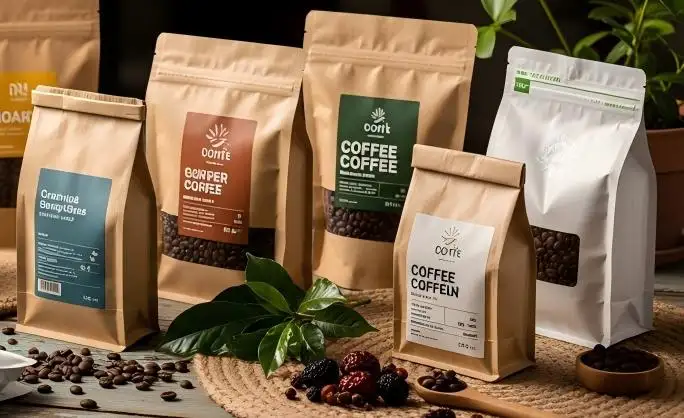
Food Grade Flat Bottom Pouch
When the term "food grade" appears on packaging, it is often mistaken as a simple label or certification. In reality, a truly compliant Food Grade Flat Bottom Pouch is the result of a tightly controlled system covering material selection, regulatory compliance, manufacturing hygiene, and verification testing.
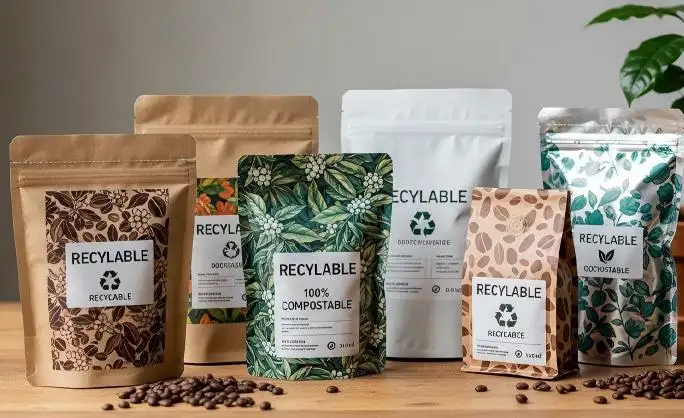
For dry food producers, tea brands, and coffee roasters, the knowledge and application of the characteristics of a legitimate food-grade pouch is not only important for consumer protection but also for retaining the confidence in the brand.
1. What "Food Grade" Really Means in Packaging
Judging whether a pouch is food grade cannot be done by assessing its cleanliness or appearance. The definition lies in the pouch's compliance to the applicable market's legislation regarding food contact materials, which are based on the same scientific principles.
For a Food Grade Flat Bottom Pouch, some of the compliance requirements are:
•Migration limit
The pouch's materials should not transfer harmful substances to the food under normal or reasonably expected conditions of use.
•Material system approval
In the pouch's food contact layers, only the polymers, additives, inks, and pigments that are mentioned in the corresponding legislation may be used.
•Good Manufacturing Practices (GMP)
The manufacturing environment should be regulated to minimize contamination of the products with foreign materials or microorganisms.
Some of the key regulatory frameworks are:
•EU: Regulation (EU) No 10/2011 (plastic food contact materials)
•USA: FDA 21 CFR (Indirect Food Additives Regulations)
In order to be traded globally, a compliant pouch should be in accordance to several regulatory frameworks.
2. Laminated Layers in Flat Bottom Pouch Packaging
Flat Bottom Pouches are made of several laminated layers; each layer serves its distinct function.
1) Inner Layer (Food contact layer)
This layer directly interfaces with the food product and therefore is the most important layer. The following materials are examples of food-safe layer construction.
•Food grade Polyethylene (PE)
•Cast Polypropylene (CPP)
These layer construction materials were selected due to their stability and their neutral nature and within the scope of the food regulations regarding migration.
2) Barrier layer
These layers protect the product from the surrounding environment by preventing the transfer of moisture, oxygen, and light.
•Aluminum foil (or other barrier materials)
•Metallized PET (less costly barrier).
3) Outer Layer
This layer provides the packaging with mechanical strength, and also provides a surface which can be printed for branding.
•PET (Polyester)
•Kraft Paper (for an eco-friendly approach)
•Specialty printable films
4) Material traceability is important.
Cyan Pak has adopted a supplier qualification system to ensure food contact films are traceable and provided compliance certificates. While capabilities differ by site, structured Material Audits are a key control for Packaging Safety.
3. Manufacturing Hygiene and Contamination Control
The lack of adequate controls during conversion can lead to compliant raw materials becoming hazardous for the intended end use. During the critical operations of printing, laminating, and pouch making, there are a number of risks that can compromise safety.
1) Adhesives
Food grade laminating adhesives are to be used, and these must be fully cured to avoid any further migration.
2) Ink systems
The printing process used for food safe packaging is typically
•Reverse printing (where the ink is sealed between the layers),
•Low migration inks which are compliant to the packaging regulations.
Under these conditions, inks do not come in direct contact with food.
3) Solvent control
The drying systems must ensure that the residual solvents are below the acceptable international standards.
4) Sanitary Production Environment
Cyan Pak's production facilities uphold GMP principles due to the following in their facilities:
•Controlled Air Flow
•Dust Minimization Technology
•Designated Material Handling Areas
Cyan Pak enhances traceability and reduces cross contamination risk by integrating printing, lamination, and pouching in an uninterrupted flow of production.
4. Engaging Design Elements That Improve Safety
Food Grade Flat Bottom Pouches are not passive safety tools. They engage food safety throughout the pouch's lifecycle.
1) One-way degassing valves (coffee use)
Allow CO₂ to escape while blocking oxygen from entering and preserving the freshness of the coffee.
2) Resealable zippers
Decreases exposure to
•Moisture
•Air
•Contaminants
During and after use.
3) Tear notches and laser scoring
Allow for safe and intentional openings to reduce the chance of contamination during use.
- Transparent barrier windows
When combined with barrier laminates, visibility is achieved without barrier compromise.
These features have become standard in the packaging of coffee and dry food.
5. Testing and Compliance Assurance
Food Grade Flat Bottom Pouches should always be offered with testing and compliance assurances.
| Test Category | Purpose | Typical Standards |
| Overall Migration | Determines the transfer of substances into food simulants | EU 10/2011, FDA 21 CFR |
| Specific Migration | Determines the presence of restricted substances such as heavy metals and amines | EU 10/2011, Council of Europe Res. AP(89)1 |
| Sensory Testing | Determines the absence of odor and taste contamination | ISO 13302, DIN 10955 |
| Residual Solvents | Determines the presence of solvents in an acceptable range | Methods of industry/Pharmacopeia |
A Declaration of Compliance (DoC) should be provided to customers to ensure that each layer of material complies with relevant regulations.
Cyan Pak provides these documents to customers as part of their pre-production quality service.
6. Branding and Customization: Safety Combined with Aesthetic Design
What is evident in the maximized use of modern technology for contemporary design including in food packaging, is the urgent need for an integration of safety, functionality, and branding.
1) Safe, Low-Migration Printing Solutions
Inks with less solvents and water-based inks migrate less and are therefore safer for branding.
2) Matte/Special Soft Touch Finish
These finishes are made possible by specialized films as opposed to coatings on direct food contact.
3) Custom Structures
These include card slots and hang holes, which are made in non-food contact layers or through post-processing.
4) Prototyping on Demand
This is made possible by digital manufacturing and printing, which also allows for building prototypes to test the market with lower minimum order quantities while still preserving the integrity of structure.
Cyan Pak flexible custom design shapes and safety to a good degree, due to the integration of design and production systems.
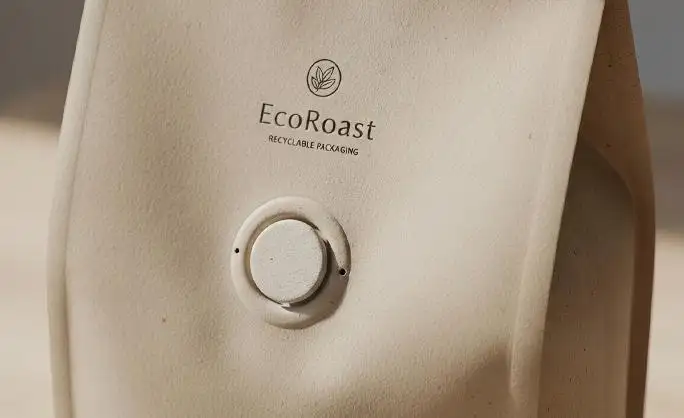
"Food Grade" Is a System, Not a Label
Real Food Grade Flat Bottom Pouches are systems rather than marketing claims or packaging that merely looks food grade.
Real Food Grade Flat Bottom Pouches are systems rather than packaging that merely looks food grade.
•Aged and Controlled Material
•Food Grade Manufacturing Processes
•Testing and Analysis
•Thorough Documentation
Food brands should evaluate the depth of compliance and the infrastructure behind a packaging vendor's design capability.
Knowing and understanding these elements creates the infrastructure for risk-mitigated decisions and ensures packaging safety and compliance is a priority throughout the process rather than an afterthought.
FAQs
Q1. What characterizes a food grade flat bottom pouch?
It is a multilayered pouch manufactured with food grade materials that enables safe storage of food products.
Q2. What are food grade pouches composed of?
Food grade pouches usually consist of PE, CPP, and PET along with paper, and barrier layers, which are either aluminum or metallized film.
Q3. Is there a legal definition of "food grade?"
Yes. "Food grade" material must fulfill the guidelines of either FDA 21 CFR or EU 10/2011, depending on the target country/region.
Q4. What is the inner layer of a food grade pouch?
The inside layer is generally PE or CPP that is considered food grade and is in direct contact with the food.
Q5. Are the inks printed on food grade packaging safe?
Yes, provided that low-migration inks are printed in a reverse manner, such that they do not come in direct contact with the food.
Written by
Cyan Pak Coffee
At Cyan Pak Coffee, we provide professional coffee packaging solutions for roasters, cafés, and beverage brands. From design and printing to production and delivery, our team offers a full range of custom packaging services. Our products include coffee bags, boxes, takeaway cups, and other packaging accessories, all customizable in materials, sizes, and print finishes. Focusing on sustainability, innovative design, and low minimum orders, we help brands create unique and efficient packaging experiences.