


Updated 2 months ago
What Coffee Drinkers Really Think? Consumer Perception of Plastic-Free Coffee Packaging
Cyan Pak Coffee
At Cyan Pak Coffee, we provide professional coffee packaging solutions for roasters, cafés, and beverage brands. From design and printing to production and delivery, our team offers a full range of custom packaging services. Our products include coffee bags, boxes, takeaway cups, and other packaging accessories, all customizable in materials, sizes, and print finishes. Focusing on sustainability, innovative design, and low minimum orders, we help brands create unique and efficient packaging experiences.
Plastic Free Coffee Packaging
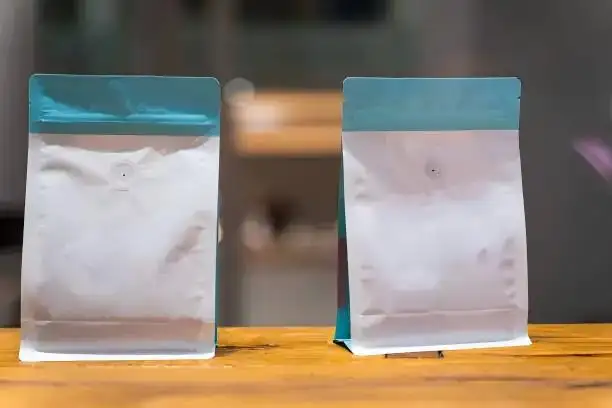
As sustainability expectations continue shifting from niche values to mainstream purchasing criteria, coffee brands are increasingly re-evaluating their packaging strategies. "Plastic-free coffee packaging" has become a frequent claim in consumer surveys, social media discussions, and café-level conversations.
However, actual consumer perception is far more nuanced than a binary preference for "plastic-free" solutions. Coffee buyers tend to give priority to freshness over environmental factors, however, they still consider usability and trust in product quality.
This article analyzes consumer comprehension regarding the impact of coffee packaging sans plastics, the tradeoffs consumers assess while shopping, and the impact of uniformity of the structure, elements, and the method of packaging on brand image.
1. Rising Sustainability Awareness in Coffee Markets
Across global coffee markets—particularly in specialty retail segments—consumers are increasingly label-conscious. Terms such as recyclable, compostable, biodegradable, and plastic-free are now standard on packaging claims.
Industry surveys consistently show that a large proportion of specialty coffee buyers associate reduced plastic usage with higher environmental responsibility. However, this perception is often conceptual rather than technical.
Most consumers do not clearly distinguish between:
•Industrial compostable materials (e.g., PLA under controlled conditions)
•Home-compostable materials (limited availability in packaging films)
•Recyclable mono-material plastics (such as PE structures designed for recycling streams)
This gap between perception and material reality plays a critical role in how "plastic-free" messaging is interpreted.
2. What "Plastic-Free" Actually Means in Coffee Packaging
From a technical perspective, the term plastic-free coffee packaging is often used loosely in marketing and consumer communication.
In practice:
•Many paper-based coffee bags still require thin functional barrier coatings to resist oxygen and moisture.
•Structures such as PLA (Polylactic Acid) account for some compostable and biobased options. However, PLA requires specific industrial composting ecosystems that are not available in many regions.
•Competitive positioning of LDPE (Low-Density Polyethylene)-based structures relies on their recyclability, even if they remain plastics.
As a consequence, rigid definitions of materials are becoming less dominant in consumer thinking. More critical are the material's surface characteristics, presence of labels, and communication by the brand.
3. Typical Material Options and Consumer Perception
This section presents an account of how some of the available options in coffee packaging materials are likely to be perceived by the consumers.
Table 1: Materials and Consumer Perception
| Materials | Characteristics | Perception | Uses in Coffee Packaging |
| Kraft Paper (with inner barrier layer) | Requires inner layer as barrier, renewable fiber | Appears natural and low impact | Whole bean coffee, retail display |
| Rice Paper Laminates | Soft and lightweight, inner layer in combo | Appears eco-friendly and craft | Small batch coffee |
| PLA Film | bio-based, compostable | Appears eco-friendly, confusion about disposal | Medium and short shelf life coffee |
| Recyclable LDPE Structures | Barriers designed for upcycling | Focus on practical sustainability | All ground coffee, shelf stable |
Key Takeaway:
There never has, and never will, be a single available material to balance the perception of sustainability, the physical barriers, and infrastructure needs.
4. What Actually Drives Coffee Drinker Perception
Consumer evaluation of coffee packaging is rarely driven by material type alone. Instead, perception is shaped by everyday functional experience.
1) Freshness Protection
Even with improvements to sustainability packaging, there is expectation for the preservation of integrity of aroma, flavor and roast profile.
2) Resealability and Convenience
Instituting a sustainable solution is acceptable, however, if the packaging is un resealable, it is perceived to provide a poor quality experience.
3) Visual and Tactile Quality
The perceived value of a product is increased, and so is the value of the brand, if the printed packaging is tactile and has a high degree of clarity and rigidity.
4) End-of-Life Clarity
If a packaging solution provides clear guidance on disposal and is not ambiguous, consumer trust increases.
5) Functional Freshness Indicators
Packaging that provides a functional freshness indicator, such as a degassing valve, is perceived by consumers to contain freshly roasted, specialty coffee.
5. Functional Features That Bridge Sustainability and Performance
Packaging can help fulfill the paradox of functionality and sustainability, while also preventing food waste.
1) One-Way Degassing Valve
A one-way degassing valve lets CO₂ gas out of the packaging but does not allow oxygen to get in, helping to preserve coffee freshness.
Constructions of modern degassing valves for coffee packaging are:
•Free of BPA
•Designed to be integrated with a recyclable or multi-material structures, based on the system design.
Consumer perception is:
•Valves are control mechanisms for freshness and are a standard practice in the roasting profession.
2) Resealable Closures
Various forms of closures that enable resealing, such as zippers, tin ties, and a press system, improve the packaging usability after it has been opened and in turn increases the likelihood of a repeat purchase.
3) Quad Seal Pouch Structure
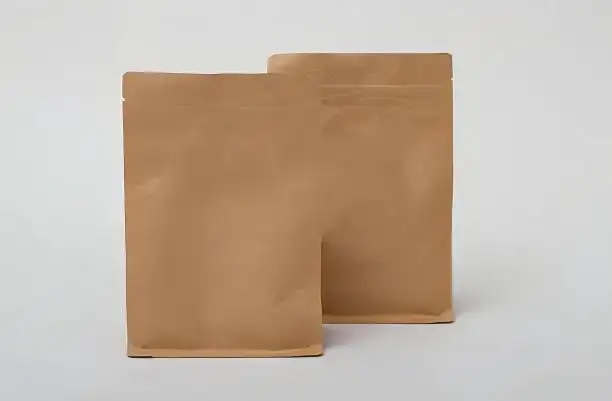
The quad seal or box pouch structures provide:
•Increased stability on the shelf
•Improved filling speed
•Larger area for brand advertisement.
All together, the structure, high quality printing, and the relatively sustainable and low plastic design provide a packaging solution that is more premium.
Table 2: Impacts of Functional Features and Consumer Trust
| Feature | Functional Benefit | Consumer Trust Impact |
| Degassing valve | Allows CO₂ escape and keeps coffee fresh | Indicates commitment to quality control and specialty roasting |
| Resealable closure | Stops volatization of aroma chemicals and preserves flavor | Communicates product innovation and encourages repurchase |
| Quad seal construction | Provides extra stability and larger printing area | Indicates improved presence on the shelf and perceived value |
| Transparent disposal instructions | Provides information for proper end-of-life disposal | Improves understanding and creates trust |
6. Personalization and Brand Loyalty
Beyond the choice of materials, personalization can help shape perceptions.
When a brand consistently implements high-quality printing, well thought-out design, and clear brand messages, it communicates that the brand is committed to the quality of their products and services, as well as to sustainability, and is more likely to help shape positive brand perceptions.
One of the many methods of personalization that the experienced supplier Cyan Pak can support is:
•Flexographic printing
•Gravure printing
•Digital short-run printing
•Sustainable and/or reduced packaging formats.
7. The Influence of Manufacturing on Consumer Trust
While manufacturing processes are often ignored by the consumer, consistency in production greatly influences consumer trust.
Some of the common issues that undermine consumer trust include:
•Inconsistent sealing
•Inconsistency in color and printing
•Inconsistency in the performance of barriers
•Deformation of structure in the filling and/or transporting process.
Stable production and quality assurance systems are incredibly important when utilizing alternative materials such as paper and other compostables, as these materials will behave differently from packaging that is made from multi-layered, plastics.
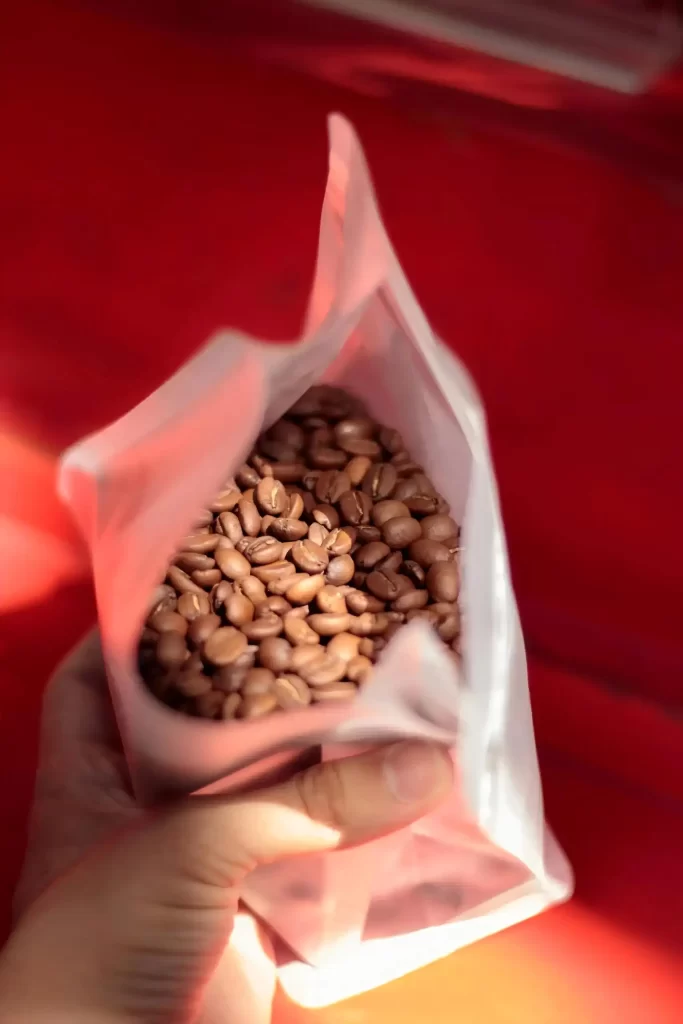
8. The Complexity of Solutions
The perception of packaging that is made from paper and other compostables is complex and fragmented.
The various consumer segments have a tendency to prioritize different aspects of packaging:
•For the consumer that prioritizes sustainability, environmentally-responsible packaging communicates sustainability.
•For the consumer that values practicality the packaging must support shelf-stability and freshness.
•For the consumer that prioritizes convenience the packaging must be user-friendly, and resealable.
Due to this phenomenon, packaging solutions almost always consist of compromises, as opposed to absolute solutions.
Conclusion
The need to package coffee in a way that is considerate of a multi-faceted approach to solving the problem of packaging, is all but clear. What is required is a balance of materials, functionality of design and packaging, and thoughtful communication to achieve a packaging solution that is free of the use of plastics.
The most successful packaging approaches eliminate packaging, not plastic. There are other components that need to be addressed such as balancing:
•The freshness of the product
•The usability of the package
•The effort to preserve the environment
•Maintaining the quality of the products
Coffee drinkers will always favor packaging that prioritizes the quality of the product, provides honest communication, and packaging that you can use easily every day. Packaging that does this will be favored, even if it's not 100% plastic free.
FAQs
Q1. Is plastic-free coffee packaging really 100% plastic-free?
Not necessarily. Some paper-based packs employ functional barrier coatings.
Q2. What is considered plastic-free coffee packaging?
Normally, it entails the absence of conventional fossil-based plastics or minimal use thereof.
Q3. Does plastic-free packaging affect coffee freshness?
It has the potential to, although modern packaging technology employs effective barrier materials and valves.
Q4. Are compostable coffee bags better than recyclable ones?
It is situational, as it relies on the disposal infrastructure and the shelf-life requisite of the product.
Q5. What materials are used in eco-friendly coffee packaging?
Kraft paper, PLA, rice paper, recyclable LDPE structures, etc. are some of the commonly used materials.
Written by
Cyan Pak Coffee
At Cyan Pak Coffee, we provide professional coffee packaging solutions for roasters, cafés, and beverage brands. From design and printing to production and delivery, our team offers a full range of custom packaging services. Our products include coffee bags, boxes, takeaway cups, and other packaging accessories, all customizable in materials, sizes, and print finishes. Focusing on sustainability, innovative design, and low minimum orders, we help brands create unique and efficient packaging experiences.