


Updated 2 months ago
How to Choose Coffee Packaging Bags: Display, Functionality, and Freshness Explained
Cyan Pak Coffee
At Cyan Pak Coffee, we provide professional coffee packaging solutions for roasters, cafés, and beverage brands. From design and printing to production and delivery, our team offers a full range of custom packaging services. Our products include coffee bags, boxes, takeaway cups, and other packaging accessories, all customizable in materials, sizes, and print finishes. Focusing on sustainability, innovative design, and low minimum orders, we help brands create unique and efficient packaging experiences.
How To Choose Coffee Packaging Bags
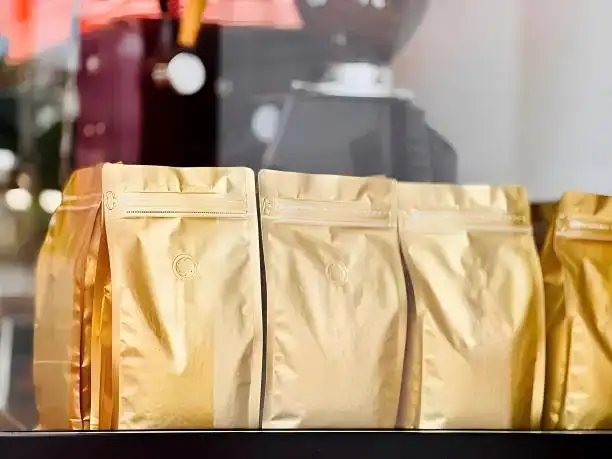
When coffee roasters decide on coffee packaging, they often think first about barriers, material structures, and degassing valves. These elements are important of course, but bag style is a design choice that helps with packaging efficiency, user experience, and even how a product is displayed in retail.
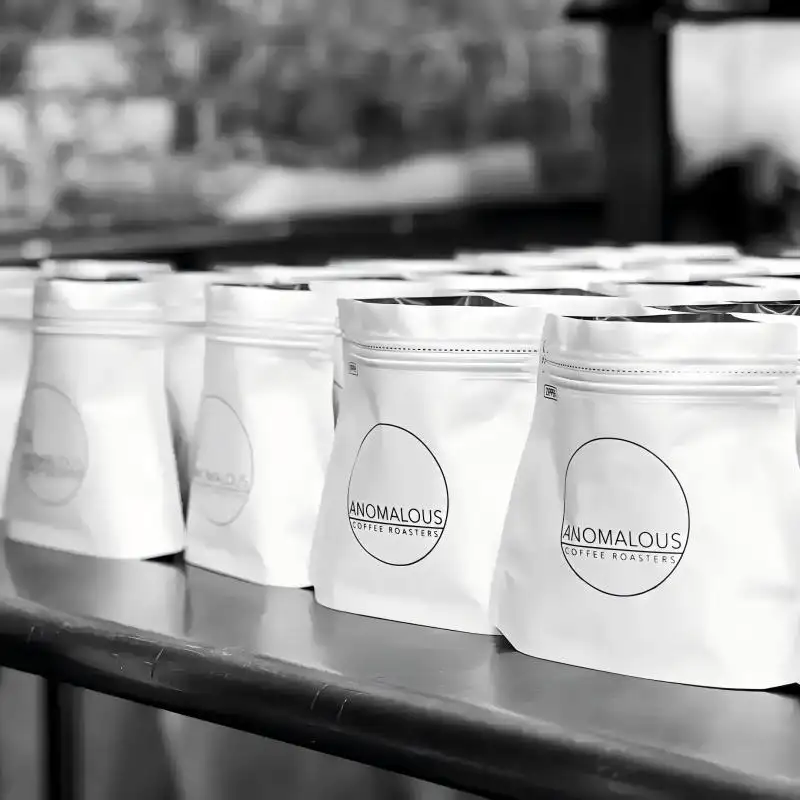
Format and structure help define coffee brand perception and influence product usability and performance. Retail display is important, but so is product freshness after the sale. This guide will explain the various styles of coffee packaging and the functions of each to help you decide on an option.
Why Bag Style Matters When Choosing Coffee Packaging Bags
Coffee packaging should be more than a protective shell. Packaging can help a brand visually, and give thought to how it can be designed for optimal usability.
The bag format affects:
• Shelf stability and retail visibility
• Available surface area for branding and information hierarchy
• Consumer handling and resealing behavior
Compatibility with valves, zippers, and barrier layers
Transport durability and compression resistance
In modern specialty coffee packaging, bag style is no longer a cosmetic choice—it is an engineering and brand strategy decision.
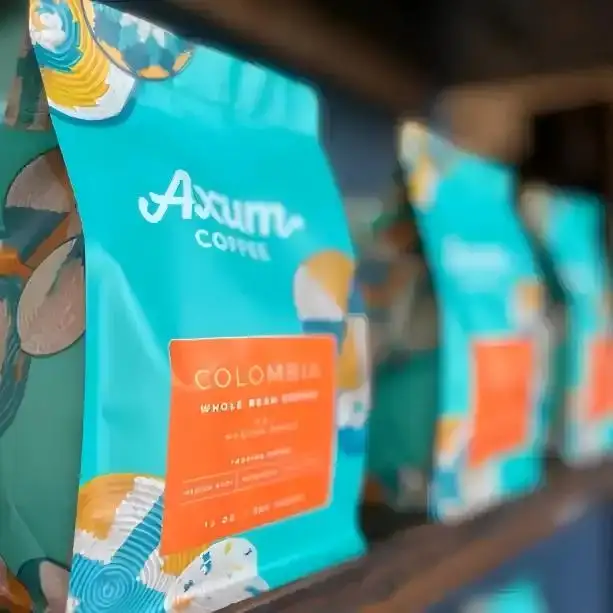
How Bag Styles Influence Shelf Display Performance
Different structural formats create different visual and functional outcomes in retail environments. Below are the most widely used coffee packaging styles and their shelf behavior.
1. Stand-Up Pouch (Doypack)
A design for flexible packaging where bottom gussets are added to allow the pouch to stand.
• Packs on the shelf with stable, self-standing pouches.
• Allows for the display of branding on a strong surface area.
• Design can be made with customer visibility for the contents of the pouch.
• Used to package specialty coffee and for packing and shipping efficiency.
• Used for flexible, affordable packaging for the mid-range to upper market.
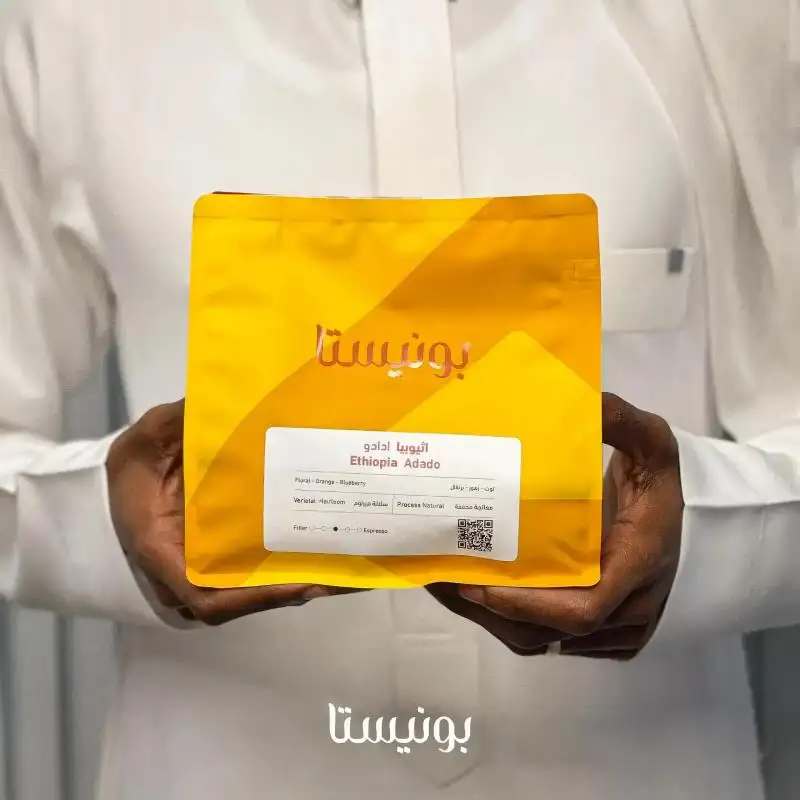
2. Flat Bottom Bag (Box Pouch)
This style of flexible packaging is a reinforced bottom with a rectangle shape and five panels.
• High Stability
• Maximum branding with five panel surfaces.
• Premium appearance when displayed on a shelf.
• Excellent compatibility with resealable zippers.
• Typical position is for Premium coffees with specialty brand focus on retail.
3. Side Gusset Bag
This style is a flexible format with side folds which expand with product fill.
• Stands stable with a fill.
• Side panels provide space for product origin information and other technical information.
• Very efficient for high fill volume packaging.
• Popular with traditional styles of coffee roasting.
• Standard placement is for wholesale, traditional coffee roasting, as well as value to mid-tier options.
4. Quad Seal Bag
This style is a flexible packaging format sealed on all four sides with a reinforced flat base.
• High stability and shelf alignment.
• Boxed, clean appearance.
• Excellent for stable stacking and transport.
• Suitable for consistency retail programs of high quality.
• Typical positioning is for high quality uniform brand systems.
5. Flat Pouch (with Tin Tie or Clip Closure)
Suitable for lightweight packaging, this style is a non-stand format.
• Pouch cannot stand alone.
• Small area for branding.
• Common for sample packs or low volume formats.
• Often resort to a label as a design.
• Typical positioning is for samples or low cost packaging.
Comparison: Bag Styles and Shelf Impact
| Bag Style | Shelf Stability | Branding Surface | Visual Positioning |
| Stand-Up Pouch | Good | Medium–High | Accessible, flexible |
| Flat Bottom Bag | Excellent | Very High | Premium, structured |
| Side Gusset Bag | Good (filled) | High | Traditional, informational |
| Quad Seal Bag | Excellent | High | Clean, modern, rigid |
| Flat Pouch | Low | Low | Minimal, functional |
How Bag Style Affects Coffee Freshness Performance
While freshness is primarily controlled by material barrier properties (OTR/WVTR), bag structure plays a supporting role in real-world preservation.
1. Resealability and Consumer Behavior
Most stand-up, flat bottom, side gusset, and quad seal bags can integrate:
• Press-to-close or slider zippers
• Tear notches for controlled opening
• Heat-sealed inner layers for first-use protection
Proper zipper placement below tear lines significantly improves post-opening freshness retention.
2. Degassing Valve Compatibility
One-way degassing valves are compatible with nearly all major bag formats.
• Allows CO₂ release after roasting
• Prevents oxygen ingress
• Requires only a flat application surface for installation
Important clarification: valve performance is independent of bag style but depends on correct material sealing and placement integrity.
3. Protection of Structure during Transport
Bag designs that are flat bottomed or quad sealed consist of rigid formats that:
• Provide superior protection during transport as a result of compressed stacking
• Minimized risk of leakage from seam stress
• Enhanced stability during transport and storage.
4. Real-World Usage Behavior
Even how the consumer uses the package can impact packaging freshness.
• Packages that are designed to stand on end are more likely to have the closure properly resealed by the consumer.
• Packages that are designed to transport flat are more likely to be opened and closed improperly due to the need to roll or clip the closure.
• Convenience is a major factor when it comes to preserving the package's contents.
Bag Style Selection Based on Use Cases
| Use Case | Bag Style | Justification |
| Retail (shelf display for cafés and grocery) | Flat bottom or quad seal | Required for strong shelf presence and for premium packaging |
| E-commerce (direct to consumer shipping) | Quad seal or reinforced stand-up pouch | Protection against collapse during shipping |
| Sampling and subscription | Small stand-up or flat pouches | To manage costs and package portions |
| Wholesale distribution | Side gusset pouches or large flat bottom pouches | Required for large volume and strong seal |
Features of Bags Based on Selected Style
After style selection, features give packaging a customized look and feel.
1. Barrier Material Systems
Common systems are multilayer laminates such as:
• PET/PE
• PET/aluminum foil/PE
• Metallized PET
These structures are designed as a cost and eco-friendly solution to provide varying levels of protection against oxygen and moisture.
2. Recyclable Versus Conventional Structures
In the coffee industry, mono-material recyclable bags are gaining market share.
• Superior sustainability opportunities
• Barrier function trade-offs in some structures
• Requires in-depth validation of roasting profiles and shelf-life considerations
3. Printing Methods
Different methods of printing affect the quality and the final production volume of the product.
• Rotogravure printing is the best method for printing large production runs with a high degree of printing uniformity.
• For production runs of a mid to high degree of printing volume, Flexographic printing offers the best cost.
• For small production runs with high flexibility of SKU's, digital printing is the most suitable technology.
4. Functional Add-Ons
Popular value-add features include:
• Tear notches for easy opening
• One-way valves
• Clear window
• Hang holes for shelf display
Each of these features should be analyzed for their impact on barrier function.
How We Help Choose Coffee Packaging Bags
When it comes to choosing your coffee packaging, the right format can often mean the difference between doing a technical validation or being stuck with the design.
With more than 10 years experience within the flexible packaging industry, Cyan Pak provides coffee roasters with complete production services, including:
• Bag structure selection
• Material selection and barriers
• Valve and zipper placement
• Color control and optimization
• Low MOQ to bulk order
Cyan Pak provides printing, lamination, and bag forming services to ensure consistency across all global markets.
In Conclusion
Choosing the correct coffee bag packaging means balancing:
• Creating an eye catching and bold shelf display that supports your brand and your packaging
• Ensuring freshness through barriers and packaging
• Durability and protective packaging throughout shipping and storage
• Supporting bag reclosures for customer convenience (and customer repurchase)
When master roasters learn the advantages and disadvantages of all the available styles, it leads to smarter, production ready packaging decisions.
During packaging design, it is imperative to partner with a manufacture that has the ability to provide the logistics and framework to support your design and protect your packaging while it is on the shelf.
FAQs
Q1. Which style of coffee bags is best for retail?
Quad seal bags and flat bottom bags have the best retail presence.
Q2. Which style of coffee packaging preserves coffee freshness best?
All packaging styles can preserve freshness if the correct barrier materials and valves are used.
Q3. Are all coffee bags compatible with one-way degassing valves?
The most common bag styles such as stand-up bags, flat bottom bags, and gusset bags are.
Q4. Which style of coffee bags is the most economical?
Flat pouches and side gusset bags are usually the least expensive.
Q5. Which style of coffee bags is most compatible for premium coffee?
Quad seal bags and flat bottom bags are the most compatible for premium coffee.
Written by
Cyan Pak Coffee
At Cyan Pak Coffee, we provide professional coffee packaging solutions for roasters, cafés, and beverage brands. From design and printing to production and delivery, our team offers a full range of custom packaging services. Our products include coffee bags, boxes, takeaway cups, and other packaging accessories, all customizable in materials, sizes, and print finishes. Focusing on sustainability, innovative design, and low minimum orders, we help brands create unique and efficient packaging experiences.