


Updated 2 months ago
Bulk Coffee Packaging Bags: Market Trends and Innovations in 2026
Cyan Pak Coffee
At Cyan Pak Coffee, we provide professional coffee packaging solutions for roasters, cafés, and beverage brands. From design and printing to production and delivery, our team offers a full range of custom packaging services. Our products include coffee bags, boxes, takeaway cups, and other packaging accessories, all customizable in materials, sizes, and print finishes. Focusing on sustainability, innovative design, and low minimum orders, we help brands create unique and efficient packaging experiences.
Bulk Coffee Packaging Bags
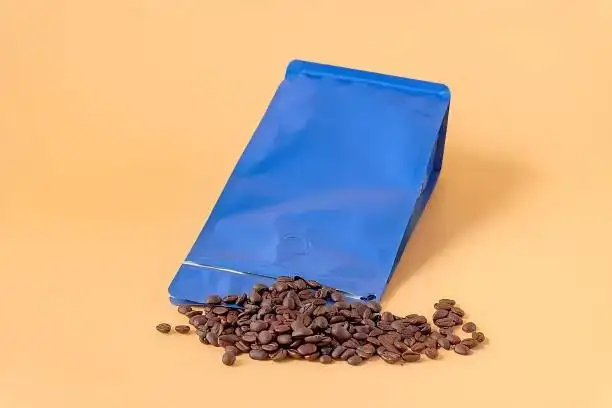
Changes to bulk coffee packaging are emerging due to the ongoing shifts in the global coffee supply chain. As coffee roasters consolidate, expand e-commerce subscription models, and legislation pertaining to sustainability initiatives becomes more challenging, the role of bulk coffee packaging within the supply chain has shifted from simply packaging coffee to being an integral part of logistics, supply chain solutions, product protection, and brand messaging.
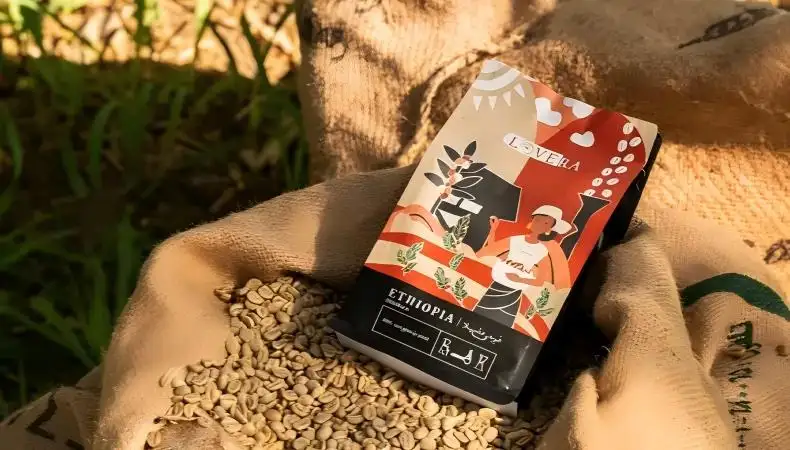
By 2026 packaging solutions for bulk coffee will no longer focus primarily on capacity. Instead, the emphasis will be on the engineering of the materials and the packaging's performance and functionality, as well as the sustainability of the packaging's lifecycle.
1. Factors Restructuring Demand For Bulk Coffee Packaging
A number of large-scale shifts in the coffee supply chain are causing the rapid adoption of bulk coffee packaging with advanced functionality.
1) Expansion of Subscription and Direct-To-Consumer Models
Subscription and DTC models sell coffee sourced from partner roasters in 2, 5, and 10kg bags. Their packaging systems should allow for:
• Freshness extension
• Easier resealing
• Packaging integrity for multiple handling
2) Centralized Roasting with a Distributed Supply Model
This model refers to the centralized bulk roasting of coffee at a large scale, then providing service to several cafés and shops. In this model, bulk packaging serves as an intermediary protective layer in the roasting, redistributing, and repackaging processes.
3) Sustainability and Reduction of Materials Goals
In retail supply chains, bulk packaging diminishes the packaging-to-product ratio significantly when compared to several small retail packages. Thus, it helps achieve sustainability and reduction of materials goals that many supply chain businesses strive for.
4) International Trade and the Need for Long Shelf Life
With the increasing global trade of coffee, the need for an extended shelf life necessitates the stability of the packaging. The coffee industry is calling for high barrier packaging that, with the exception of foil, protects coffee from O2, moisture, and UV light.
2. Developments in Materials and Structures in 2026
The bulk coffee packaging industry is focusing on new materials when combined with better environmental performance.
High-Barrier Mono-Material Systems
There is strong market preference for mono-material PE (polyethylene) structures. These films, through technologies such as MDO-PE (Machine Direction Oriented PE), enable:
• Enhanced barrier properties for oxygen and moisture
• More recycling stream and end-of-life process compatible
• Simplified structures for end-of-life process
• Recyclable and Less Impacted
Sustainable Structures Include
• PE/PE laminate recyclables
• Barrier coated, paper based composites
• Compostable films based on PLA/PBAT
These systems integrate barrier performance with the existing waste infrastructure in a given region.
New Technologies for Aroma Preservation
More recently, bulk coffee packaging has started to include:
• EVOH barrier layers
• SiOx (Silicon Oxide) coatings
• These layers help retain packaging aroma and preserve material economics.
Lightweight and Thin Structures
Recent advances in surface modification and coating technologies have also made it possible to significantly reduce the thickness of films while also improving:
• Puncture resistance
• Seal integrity
• Mechanical stability for heavy load applications (5–10 kg formats)
3. Material Comparison Overview
| Material Type | Typical Use Case | Key Advantages | Key Limitations |
| Foil Laminates (PET/AL/PE) | 1–20 kg commercial coffee | Maximum barrier protection | Limited recyclability |
| Mono-PE Structures | Specialty & sustainable brands (250 g–5 kg+) | Recyclable, improving barrier performance | Requires precise sealing control |
| Paper-Based Barrier Structures | Kraft-style premium packaging | Natural appearance, strong shelf appeal | Barrier depends on coating integrity |
| Compostable Films (PLA/PBAT) | Short to mid shelf-life products | Bio-based, industrial composting option | Limited infrastructure and barrier strength |
4. Functional Design Features in Modern Bulk Coffee Packaging
Both the needs of industrial logistics and the needs of the end consumer must be addressed with bulk coffee packaging. The following features will be functionally important in the packaging design of 2026.
• One-Way Degassing Valves
These valves allow the coffee packaging to maintain an internal balance during transport by equilibrium the pressure through the release of CO2 and the prevention of oxygen from entering the package.
• Resealable Closure Systems
Seals and zippers that allow the package to be closed continue to keep the product inside fresh and allow the package to be repeatedly opened. This is the most important feature for large packages (1 kg - 10 kg).
• Precision Opening Features
This includes packaging design features such as scored packaging and notches that allow for the easy opening of the package and offer protection from contaminants.
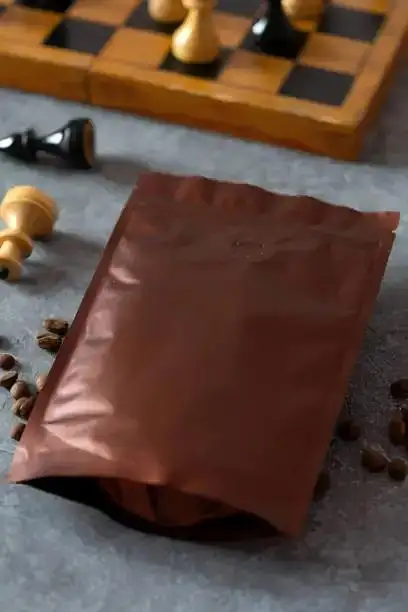
• Structural Reinforcement Systems
We developed these systems to accommodate the greater volume of packages (5 kg and above), to help improve a package's capacity and integrity during transport.
• Transparent Viewing Windows (Optional)
This feature allows some visibility of the products packaged while still providing a barrier. It is a trendy feature for premium wholesale packaging.
5. Printing and Customization Technologies
For bulk coffee packaging, branding elements now hold the same value as functional elements.
Digital Printing
This method is advantageous for low-to-mid volume production (typically greater than 1,000 units). Allows for:
• Quick turnarounds
• Variants for different seasons/regions
• Changing information printing
Rotogravure Printing
This method is applicable for high-volume production offers:
• Economies of scale
• Ability to print images of high detail
• High consistency of colors
Flexographic Printing
This method offers a variety of choices for different substrates (including recyclable films) which can accommodate hybrid materials.
Finishing Options
Common surface enhancements include:
• Matte, gloss, soft-touch, or Kraft texture coating
• Functional features such as hang holes or laser scoring
• Vacuum or one-way degassing valve integration
6. Manufacturer Capability: Cyan Pak Case Example
The development of innovative packaging solutions frequently depends upon a manufacturer's creativity and flexibility.
Based in the USA, Cyan Pak is one of a very limited numbers of flexible packaging manufacturers servicing clients in Europe, Australia, and the Middle East.
Production Overview
| Item | Specification / Details |
| Factory Size | 15,000 m² |
| Industry Experience | 10+ years in food packaging |
| Annual Output | 5,000+ tons of flexible packaging |
| Customer Base | 5,000+ coffee brands worldwide |
| Printing Systems | HP Indigo, rotogravure, flexographic |
| MOQ Flexibility | From 1,000 units (digital & gravure) |
Product Scope
• Stand-up pouches
• Flat bottom bags
• Side gusset bags
• Coffee cups and drip bags
Technical Integration
Innovations include:
• Degassing valves
• Resealable zippers
• Tear notches and laser scoring
• Multi-layer barrier structures (foil, recyclable PE, compostable films)
Brand stability for Color management and print quality are ensured for several production runs.
7. Application Logic: Matching Packaging to Use Case
Starting in 2026, selection of bulk coffee packaging will utilize an integrated packaging system as opposed to several individual packaging components.
• In Café style supply chains (10-20 kg formats), we will focus on the durability of the bags, resistance to puncture, and/or gas control.
• For bulk subscriptions (2-5 kg) in an E-commerce environment, the focus will be on resealability, user experience, and recyclable packaging.
• For Premium specialty brands, the focus is on visual identity, flexibility of digital printing, and sustainability.
The best answer will result from a combination of the science of materials, the technology of production, and the functional design.
Conclusion
The bulk coffee packaging of 2026 will become a system that is built from numerous materials, designed with a focus on sustainability and user design. With the development of more complex supply chains, packaging will need to maintain the integrity of the product, decrease the impact on the environment, and support the brand.
If you need custom bulk coffee packaging, look no further. Cyan Pack presents fully customizable, recyclable, high-barrier packaging. Contact us to get a quote for enhancing your brand's coffee packaging for 2026.
FAQs
Q1: What is the MOQ for bulk coffee packaging?
Minimum order quantities for bulk coffee packaging generally begin at 1,000, and often depend on the chosen method of printing.
Q2: Can bulk coffee packaging be modified for brand purposes?
Yes, we offer full custom printing, and a variety of options for structure design.
Q3: What are the printing options for B2B coffee packaging?
Commonly, the printing methods are digital, rotogravure, and flexographic.
Q4: What are the available barrier options for bulk coffee bags?
They are offered in high-barrier foil, EVOH, and coated mono-material.
Q5: Can an order consist of packaging in various sizes?
Yes, we offer the convenience of mixed-size production.
Written by
Cyan Pak Coffee
At Cyan Pak Coffee, we provide professional coffee packaging solutions for roasters, cafés, and beverage brands. From design and printing to production and delivery, our team offers a full range of custom packaging services. Our products include coffee bags, boxes, takeaway cups, and other packaging accessories, all customizable in materials, sizes, and print finishes. Focusing on sustainability, innovative design, and low minimum orders, we help brands create unique and efficient packaging experiences.