

Updated 1 week ago
Recyclable Packaging Supplier: A Practical Guide to Changing Your Coffee Bags
Cyan Pak Coffee
At Cyan Pak Coffee, we provide professional coffee packaging solutions for roasters, cafés, and beverage brands. From design and printing to production and delivery, our team offers a full range of custom packaging services. Our products include coffee bags, boxes, takeaway cups, and other packaging accessories, all customizable in materials, sizes, and print finishes. Focusing on sustainability, innovative design, and low minimum orders, we help brands create unique and efficient packaging experiences.

recyclable packaging supplier
The change of coffee packaging is more than just a material on one purchase order. The new bag should still fit easily, be secure, safeguard the coffee and convey the right message about where to dispose of it. Those particulars may be left to the last minute, which can cause a seemingly simple change to cause a disruption of the daily packing.
A recyclable packaging supplier should support the roaster or coffee brand in outlining a viable path forward for the current pack and desired new pack. It is not as if the question is just "are recyclable bags available? Whether or not a specific building will be able to satisfy your demands and provide a clear-cut claim in your sales market.
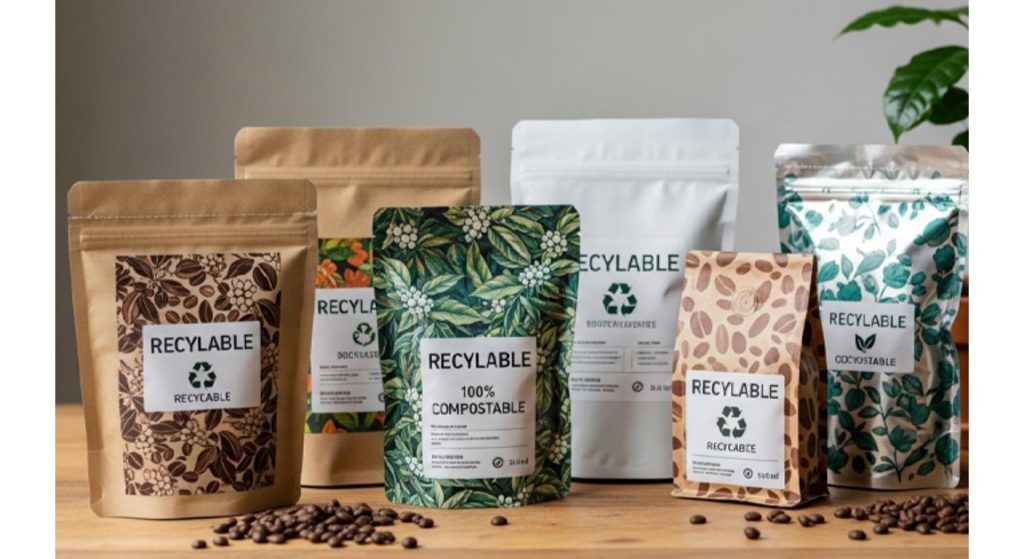
Use One Coffee Line and One Destination Market at the beginning
For a practical changeover to work, it starts with a manageable scope. Pick one line of coffee that is steady, has a well-defined distribution path. This provides your team with a valuable test without altering all the sizes, designs and customer channels at once.
So explain what the current pack is like first before asking for a new one. Write down the size, fullness, closure, valve location and the normal packing procedure. Summarise the existing good practice and what you wish to see change.
Next, determine where customers will be discarding the new packaging. There is variability in flexible film collection in the markets and local services. Determine the path to be followed for collection purposes in advance of artwork. A supplier may have an explanation of the proposed material, a verification should take place based on the system serving your customers.
Assign the Finished Pack in the Name of the Material Behind.
Cyan Pak offers mono-material bags, which are made from LDPE, in its coffee packaging that can be recycled. These are a good starting point for brands considering moving away from mixed-material structures.
An LDPE description, however, is just a start to a specification. Inquire what the final product of the bag will be and how the barrier will be created, and if it will be printed, coated or use adhesives or additional layers, how this will impact the ability to recycle along the selected recycling streams.
Make sure that the base film and package are not confused during enquiry. Don't assume that a positive evaluation on a structure will carry over to another window, finish or lining.
Ask for details about the actual configuration which is being quoted. This ensures that purchasing, design and operations teams are using the same proposal to learn what is included in “recyclable.”
Use Valves and Closures in parallel sentences
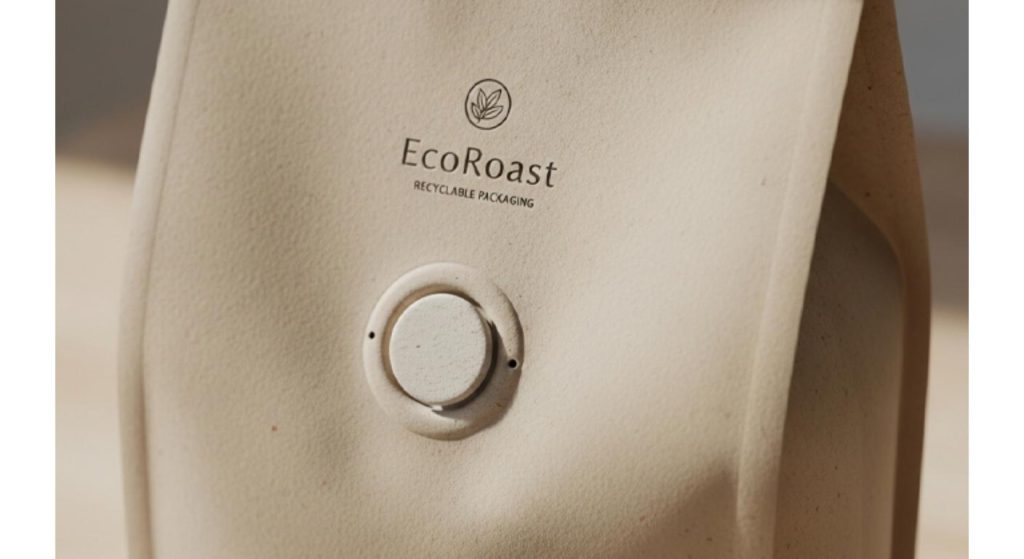
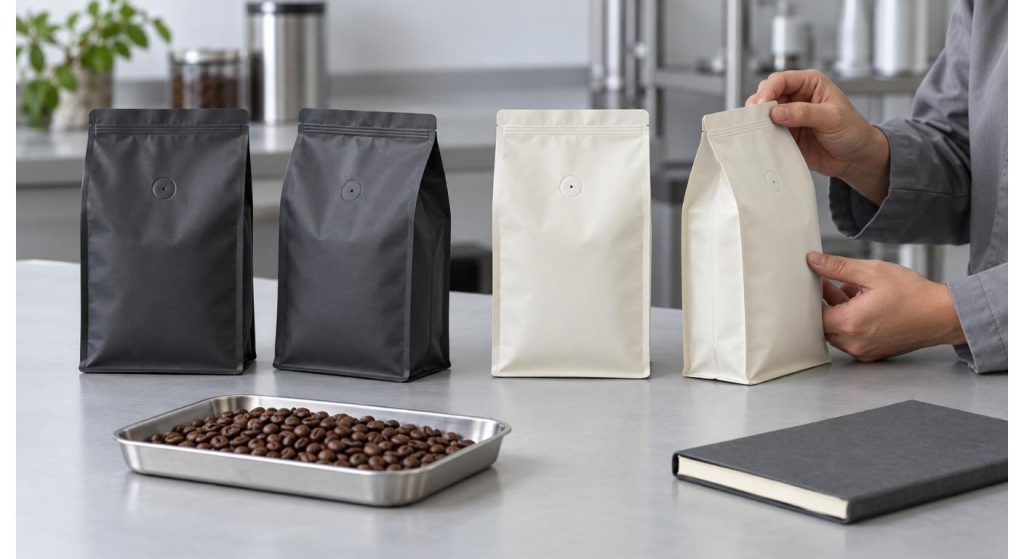
When comparing film samples, it's possible to overlook some of the components that form a coffee package. The performance and compatibility of the final pack to a recycling stream may be impacted by the use of an added label, valve or zipper.
Cyan Pak has developed recyclable designs of coffee valves to be used with compatible bag materials. Go over the valve chosen and the pouch assembly, as a whole, not the valve individually.
Operational issues of placement of valves are also of importance. Make sure it is appropriate for the bag that will be filled, sealing area and equipment or handling steps that have contact with the pouch.
Analyze customer opening and re-closing of the package. If a component needs to be removed prior to disposal, consider if such removal is supported and feasible. Don't add accessories just to maintain the same old look when there is a simpler, proven one that will work just as effectively.
Test the Bag on your Real Packing Equipment.
The next step is a production test – not another visual control. Even if the replacement film looks like your current bag, it may have different characteristics when handling and sealing.
Use your coffee, normal fill weight and your actual packing equipment. Improve the performance of the bag by assessing the open, fill and flow. Put loose coffee aside from sealing area and observe the seal.
Discuss with the supplier starting conditions recommended and set appropriate starting conditions by using controlled test. The sealing temperature and time for the previous bag should NOT be copied without checking the results.
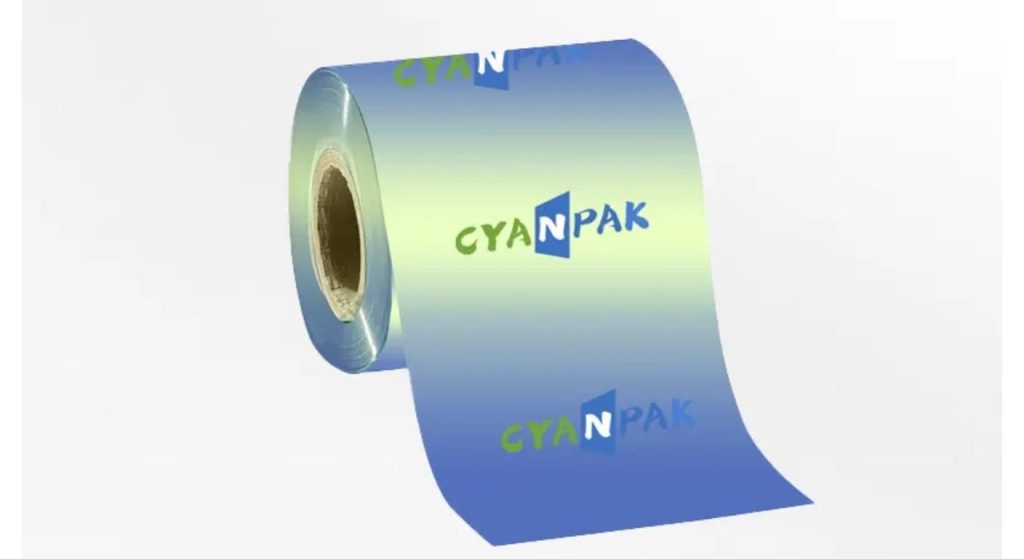
Cyan Pak roll stock is applicable in businesses that run form fill seal equipment. Check with the film supplier for compatibility of the proposed recyclable structure with the machines; roll stock alone is not a sign of compatibility with every machine.
Compare Coffee Protection Through the Intended Sales Period
A successful packing trial means that the material can go through the process. Does not guarantee that the coffee will be acceptable during distribution and storage.
Identify the protection target for your product and route to market. Request pertinent oxygen and moisture barrier data, such as testing conditions and reach a consensus on the evaluation of proposed construction.
Keep similar packs in the same and proposed packing. Ensure observations are meaningful by using consistent filling and storage conditions. Conduct appearance, package integrity and sensory at agreed intervals.
Coffee packaging samples will aid in the comparison of initial formats and materials from Cyan Pak. Check if samples provided are the final product prior to use for performance decisions. In what ways they differ, set up appropriate trial product before making an extension to bulk production.
Complete Disposal Wording once Construction is Complete
Artwork should be based on approved packaging specification. Review the disposal wording once more if the structure and/or accessories have been altered during development prior to print approval.
Use destination market and supporting collection route specific instructions. Resin identification mark alone does not inform customers if their area has a flexible coffee bag available for their service. Don't use packing that can be recycled as compost or biodegradable packing.
Be careful to describe what has been established in the language that is appropriate, with any appropriate qualifications. Get the responsible reviewer to sign it off prior to production.
Cyan Pak's digital printing service will enable customised coffee bags and lower MOQs. Consider if a smaller initial run is appropriate for the project, especially if a new design or introducing new instructions for a given market. Always check availability and quantities on selected material.
Roll out the Changeover and Protect Reorder Consistency.
Schedule changeover date to align with current stock and trials. Running down usable stock can keep an unnecessary write off from coming in, and a planned overlap can help to keep the product flowing during the initial shipment.
In your internal purchasing and production records, make sure to identify the new packaging. The operators should be aware of which approved settings and handling instructions apply, when both versions are present.
Once launched, gather feedback from packers, distributors and customers. Check for seal issues, handling damage or mixed-up disposal instructions before rolling out the change to other products.
When reordering, please consult the approved construction & artwork version. Make proposed substitutions subject to review prior to manufacture. The value of the supplier relationship is enhanced when the previously tested specification can be followed and repeated with subsequent deliveries.
| Cost Item | Basis for Comparison |
| Delivered packaging | Price per usable bag, including freight |
| Packing labor | Labor time per 1,000 filled bags |
| Trial material | Bags and coffee consumed during validation |
| Remaining inventory | Value of old packaging left at changeover |
| Storage | Carton space required per 1,000 empty bags |
Conclusion
It's best to select a partner packaging supplier of recyclable packaging, as a controlled packaging transition. Start with an initial application, complete pack check, and packing performance and coffee protection testing. Please provide Cyan Pak with your current bag specification, the equipment you have, the market in which you are launching and the volume you plan on launching.
FAQs
Q1. Does LDPE equal local recycling?
No, as collection is dependent on completion of construction. Verify route prior to giving disposal instructions.
Q2. When changing the bag materials can I keep the same valve?
Maybe, but it requires confirmation of compatibility. Look over the valve, bag structure and planned recycling route together prior to approval.
Q3. Will my sealing parameters still work for a new bag?
They might have to be modified. Test the new material on the equipment and note the settings which give satisfactory seals.
Q4. Will it be necessary to replace all coffee items all at once?
Phased introduction is usually less challenging to measure. Begin with a product that is well-defined and then build up once the trial and launch results are known.
Q5. What needs to be verified prior to a reorder?
Use the approved material construction, components, artwork and quality criteria. Remember to do a review of any proposed substitution prior to production.
Written by
Cyan Pak Coffee
At Cyan Pak Coffee, we provide professional coffee packaging solutions for roasters, cafés, and beverage brands. From design and printing to production and delivery, our team offers a full range of custom packaging services. Our products include coffee bags, boxes, takeaway cups, and other packaging accessories, all customizable in materials, sizes, and print finishes. Focusing on sustainability, innovative design, and low minimum orders, we help brands create unique and efficient packaging experiences.
Related Articles

Large Capacity Coffee Packaging: Match Bulk Packs to Handling and Customer Needs

Coffee Packaging for Retail Display: Match Your Pack to How Customers Shop

Sustainable Coffee Packaging Bags: Create a Coordinated Packaging Range