


Updated 1 week ago
Sustainable Coffee Packaging: Match Every Pack to Real Customer Habits
Cyan Pak Coffee
At Cyan Pak Coffee, we provide professional coffee packaging solutions for roasters, cafés, and beverage brands. From design and printing to production and delivery, our team offers a full range of custom packaging services. Our products include coffee bags, boxes, takeaway cups, and other packaging accessories, all customizable in materials, sizes, and print finishes. Focusing on sustainability, innovative design, and low minimum orders, we help brands create unique and efficient packaging experiences.

sustainable coffee packaging
When talking about sustainable coffee packaging, there is often a choice between paper, recyclable plastic or compostable packaging. The better place to begin for a coffee company is the behavior of the pack and its contents from filling to the last cup of coffee.
If the bag tears during delivery, there is little practical progress achieved with a lighter bag. A larger pack could be less packaging per kilogram, but could leave the slow-drinking household with stale beans. Good decisions relate to material selection to portion size, protection, purchasing and disposal.
To specialty roasters and emerging coffee companies, this translates to creating packages around the way the coffee is sold and consumed.
Start by applying the Coffee Drinking Pattern
Learn what quantity of coffee your customer was using before his/her quality was poor. A home that purchases a specialty roast every once in a while will not have the same requirements as a café that buys several bags a day.
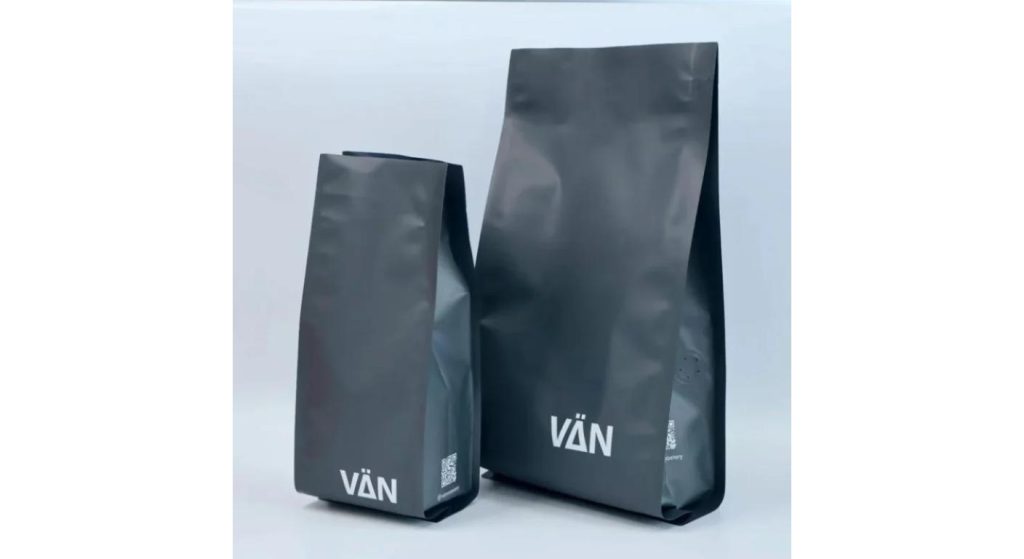
Don't necessarily assume the biggest size pack you can get is the most sustainable. Look at packaging usage in relation to the chance of surplus coffee. Smaller formats can be used to slow consumption, larger formats can be used for predictable commercial consumption.
There's one other element to consider with subscriptions: How frequently they arrive. Check if pack size is compatible with the frequency of deliveries and subscribers' consumption. The goal is a "useful quantity" at a "useful time.
Inquire from customers about the unfinished coffee, about how they store it and about the problems they face when opening. Such observations can show improvements not apparent from a material comparison.
Choose a Format for the Sales Channel
Stable presentation and clear information about the product are rewarded at the retail shelves. An efficient carton packing and resistance to routine handling are also required for a subscription shipment. Wholesale supply is all about filling, storing and using it often.
Cyan Pak's flat bottom pouches provide a neat way to store coffee in the retail market in various materials and prints. Consider the bag design and construction of the bag and the format alone does not set an environmental benefit.
If you are planning to use coffee bags in large quantities, side gusset coffee bags are also a factor that you might want to consider. Make comparisons with respect to dimensions, arrangement of cartons, ease of opening, and customer's handling patterns for leftover coffee.
Different formats can be used by a single brand – but with the same artwork. Standardize to the extent that this can be done without compromising distribution or consumption without resorting to differences.

Minimize Overages and Maintain Protection
Right sizing involves eliminating unnecessary material while providing sufficient space for filling, sealing and expected product functions. Even if the bag seems too big, there might be clearance needed around the seal or for freshly roasted coffee.
Use real beans or grounds to measure dimensions. Different nominal capacities of coffee can hold equal weight of coffee and vice versa, therefore, a nominal capacity does not replace the filling check.
Also check out the full shipment. If the retail pouch is too large, it can cause delivery cartons to be oversized, and if not, it may necessitate additional protection materials to be used. Always check both levels at once, and then recalibrate without lowering either level.
Be careful not to be too arbitrary in decreasing thickness. Question on how the proposed change will impact puncture resistance, seal quality and handling. The net result should be a pack with efficient use of material and with a saleable product in the end, not just a pack with a lower empty weight.
Untie the "Appearance/Packaging Performance" Relationship
The texture of paper can be used to help create a brand image, however, there is more to the packaging than just appearance. Coffee bags can consist of an outer paper shell that features inner functional materials.
Cyan Pak Rice Paper Coffee Bags are available with different protective layers, zippers, valves and printing. These options may all be taken into account when establishing a finished pack with a disposal statement.
Select a paper surface that is appropriate for the product and brand and of course check what is required underneath. Ask questions about the entire construction and evidence pertinent to any sourcing or disposal statement.
This is true for decorative enhancements, too. There should be a clear purpose for a window, sleeve or additional label. Taking an element out of the pack may make it more environmentally friendly, but that "environmental improvement" still requires an adequate comparison.
Choose an End-of-Life Route for the Market
Once you have minimised packaging, think about what can be realistic for customers to do with the rest of the packaging. A preferred disposal route should be provided and requires a proper constructed system for collection and/or treatment.
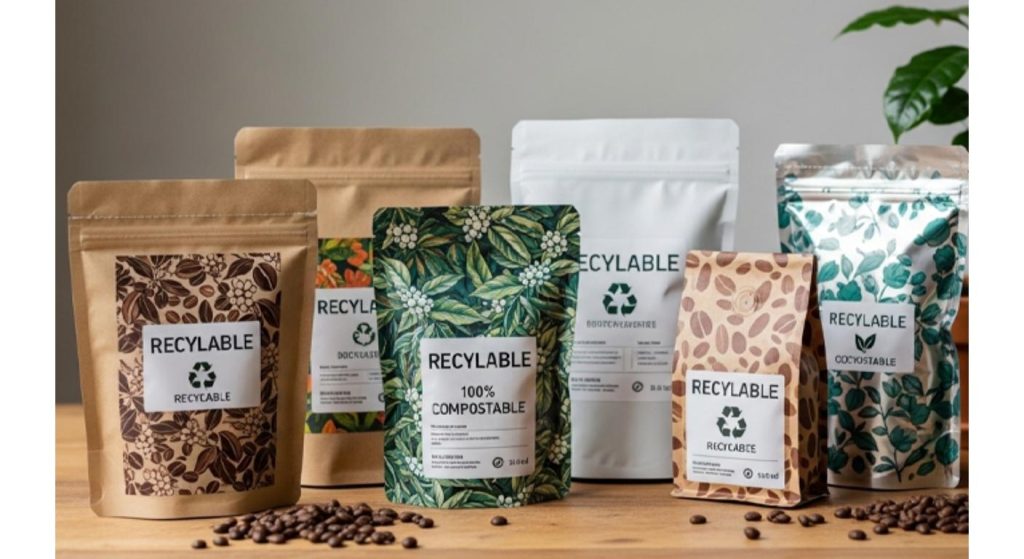
Cyan Pak's coffee bags are recyclable that are based on LDPE. Make sure you have everything you need – barrier additions and accessories – before deciding on your description of the specification in your destination market.
If compostability is being taken into account, Cyan Pak also offers biodegradable coffee packaging alternatives. Request documentation for specific structure provided and treatment conditions needed. Biodegradable does not necessarily indicate home compostable and neither term indicates recyclable.
Ensure that Customer Instructions are in line with the confirmed route. If local facilities refuse the pack do not imply that it means a material description will result in a successful outcome. Clear and qualified guidance is more useful than an unexplainable symbol of the environment.
Stock Up Artwork & Stock Up Around Changing Coffees
The limited releases and seasonal origins result in an inventory challenge. When the roast schedule or available volume changes, the volume of packaging ordered for one can of coffee may not be used.
Identify information that needs to be permanently printed and information that changes often. A consistent brand layout can be used for multiple products as long as the variable information is accurate, legible and easily applied.
Using your actual sales pattern, compare ordering approaches. A big order may lower the unit price quoted, and at the same time increase the risk of having surplus, outdated artwork. A smaller run might be suitable if demand is uncertain, but the overall cost of the run should also be considered.
Inquire about Cyan Pak about printing and quantity options for the selected construction. Review Materials and confirm any added labels/finishes. The most effective way to plan stock and design packaging is to discuss it together.
Collect Data on An Array of Outcomes
Decide what you want to improve before you change the pack. Some of these measures are the empty packaging weight per kg sold, the unused printing stock, the damaged deliveries, and the complaints on the condition and opening of the coffee.
Use the same time frame and the same sales channel as much as possible. With a change in order size and/or change in customer mix, however, a packaging redesign may be able to be marketed as more effective than it is.
These operating measures are useful in identifying waste, but are not sufficient to provide a complete carbon footprint. Environmental claims must be quantified in a proper assessment that has reasonable boundaries and assumptions.
Monitor and modify design after launch as needed, based on evidence. A sustainable coffee packaging program evolves by the product delivery, material and customer handling improvements that can be seen.
| Measure | Calculation | Unit |
| Packaging intensity | Empty primary packaging weight ÷ coffee packed | g/kg |
| Obsolete stock rate | Unusable empty bags ÷ empty bags purchased × 100 | % |
| Packaging damage rate | Deliveries with packaging damage ÷ total deliveries × 100 | % |
| Coffee condition complaint rate | Orders with coffee condition complaints ÷ total orders × 100 | % |
Conclusion
The first step in sustainable coffee packaging is the connection between the coffee, customer, and sales channel. Match up the amount consumed to the amount used, eliminate the use of unnecessary packages, and choose a documented disposal method. Talk with Cyan Pak about your product portfolio, distribution requirements and determine the packaging specifications that meet your practical requirements and have clear sustainability targets.
FAQs
Q1. Can paper packaging of sustainable coffee always be the best?
No. Evaluate completed construction, coffee cover and disposal area. Paper does not create environmental performance per se.
Q2. Are larger coffee bags better for the environment?
They can cut down on packaging per kg; consumption is important. If coffee is unfinished, a smaller quantity might be more appropriate to the customer.
Q3. Is there an alternative to recyclable coffee bags, such as compostable?
No. They need to be assessed and disposed of differently. Select based on the services offered in target market and documented construction.
Q4. Can a brand of coffee be packaged in multi-formats?
Yes. Multiple formats may be catering to retail, subscriptions and wholesale customers. Maintain consistency of the brand identity and adapt the practical aspects to the respective application.
Q5. A roaster must be able to monitor packaging improvements how?
Make comparisons with material consumption, out-of-date materials, damage and customer feedback with regard to baseline. Apply a different, suitable assessment for quantified carbon claims.
Written by
Cyan Pak Coffee
At Cyan Pak Coffee, we provide professional coffee packaging solutions for roasters, cafés, and beverage brands. From design and printing to production and delivery, our team offers a full range of custom packaging services. Our products include coffee bags, boxes, takeaway cups, and other packaging accessories, all customizable in materials, sizes, and print finishes. Focusing on sustainability, innovative design, and low minimum orders, we help brands create unique and efficient packaging experiences.
Related Articles

Large Capacity Coffee Packaging: Match Bulk Packs to Handling and Customer Needs

Coffee Packaging for Retail Display: Match Your Pack to How Customers Shop

Sustainable Coffee Packaging Bags: Create a Coordinated Packaging Range