


Updated 2 months ago
Custom Small Coffee Pouch Packaging: Building Brand Value Through Precision Design
Cyan Pak Coffee
At Cyan Pak Coffee, we provide professional coffee packaging solutions for roasters, cafés, and beverage brands. From design and printing to production and delivery, our team offers a full range of custom packaging services. Our products include coffee bags, boxes, takeaway cups, and other packaging accessories, all customizable in materials, sizes, and print finishes. Focusing on sustainability, innovative design, and low minimum orders, we help brands create unique and efficient packaging experiences.

Small Coffee Pouch Packaging
Packaging holds products and so much more. Small coffee pouches offer private labeled brands and specialty coffee roasters the opportunity to build their coffee brand. An important part of any coffee pouch system is the ability to keep the coffee fresh and deliver important information about the product and brand to the potentially consuming audience.
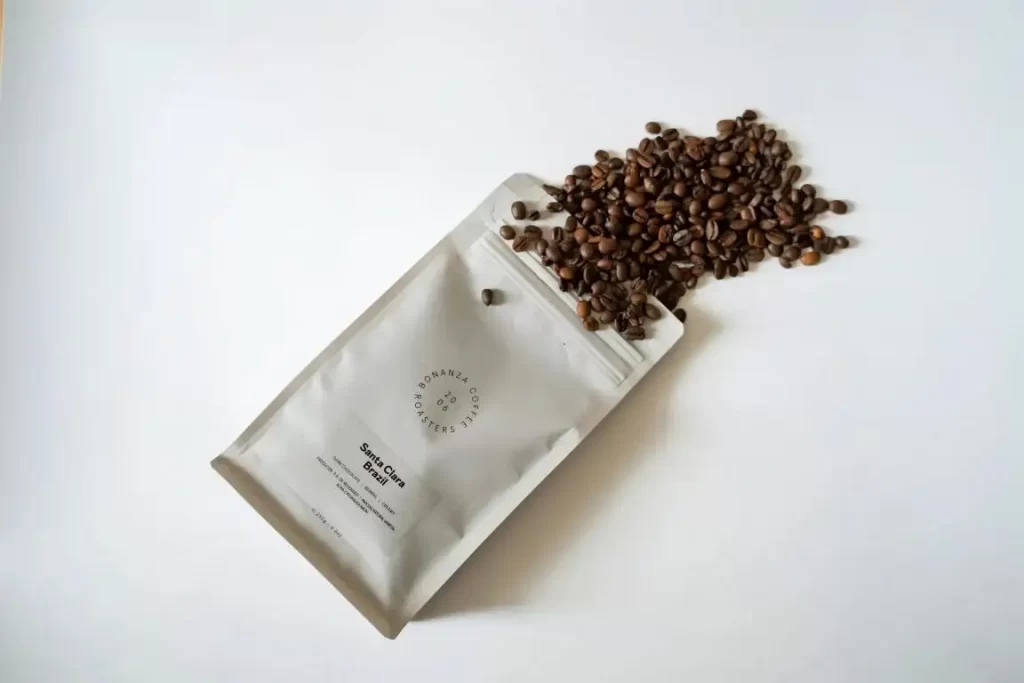
The specialty retail and e-commerce divisions of the coffee market require custom printed pouches packaging to set their brands apart. Flexible, pouches packaging that is printed custom is an ideal way to set apart their packaging. The perception of the brand can be affected with the use of different materials and finishing choices.
1. Why Design Details Matter in Small Coffee Pouch Packaging
The main purpose of coffee packaging is to provide protection, but the visual and tactile design are what usually sell the product.
When a consumer interacts with small coffee pouch packaging, they evaluate the:
•Texture of the surface and what finish was used
•Quality of the print and if it is clear
•How rigid the packaging is and how well it is sealed
•How the information is presented and if it is easy to read
In e-commerce, where the consumer doesn't get to physically interact with the retail packaging, the pouch is the only packaging that can convey premium brand positioning. No other marketing support is needed if it is executed well.
2. Functional Structure Behind Custom Printed Coffee Pouches
Once the graphic design is completed, how the pouch is engineered first and foremost determines what functionality the pouch will have.
Essential Functional Elements:
Flat Bottom or Flat Pouch Design
•Maximizes storage and shelf space
•Creates a stable surface area that is optimal for printing
Resealable Zipper Design
•Allows the pouch to be opened and closed multiple times
•Ensures the product is kept fresh after multiple openings
High-Barrier Laminated Film Design
•Composed of either multi-layer PET/AL/PE or a single layer of recyclable mono-material
•Designed to keep out oxygen, moisture, and light
•Holds in product aroma and keeps it shelf stable
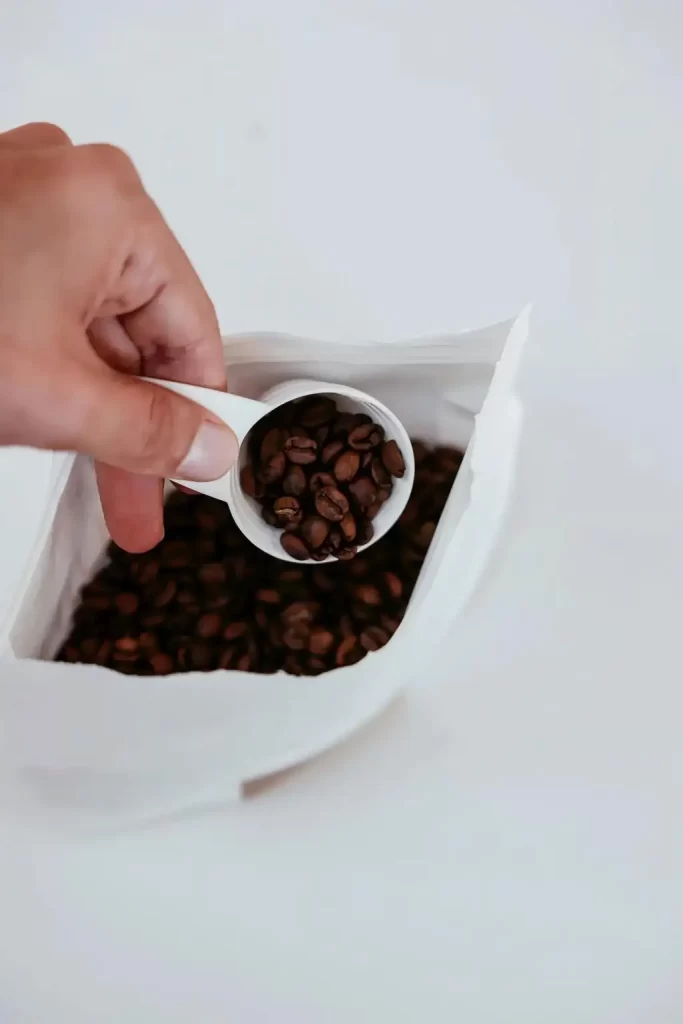
Heat-Sealed Top Closure
•Prevents product tampering before the buyer is able to open it
•Is usually combined with a tear-to-open design closure
Tear Notch Design
•Allows the pouch to be opened in a straight line
•Is often combined with a printed design to show the user where to open the pouch
When these integral elements of design are combined, they promote usability and the printed communication system of the brand.
3. Material Choice and Brand Positioning Strategy
The choice of material has implications for both the performance of the product and the narrative of the brand.
| Material Type | Structural & Visual Characteristics | Typical Brand Positioning |
| Kraft Paper Laminate | Textured and matte surface with an organic visual tone | Artisan, eco-conscious, small-batch roasting |
| Recyclable Mono-Material PE/PP | Smooth surface allows for printing with both matte and glossy finishes and compatible with recycling streams in some regions | Functional, commercially oriented, eco-conscious brands |
| PET/AL/PE Barrier Laminates | High level of barrier protection, great retention of strong aromas, premium printing quality | Specialty coffee, export products |
| Compostable PLA-Based Films | Bio-based, composting friendly only in controlled conditions | Brands focused on sustainability in the niche market |
It should be noted that the recyclability and compostability of the materials depend on local conditions and should be claimed on the packaging with caution.
4. Finishing and Printing
The performance of printing is highly dependent on the interaction of the surface and the ink, in addition to the printing design.
Common methods of finishing:
Matte Finish
•Reduces glare from lights
•Improved legibility of fine type, associated with minimalist, premium, or artisan finishes.
Gloss Finish
•Contrast and color saturation are improved
•Designs with bold graphics or heavily reliant on photography

Kraft Surface Printing
•Typically a limited color palette, with 1–3 colors being the most effective
•Supports a brand identity that is natural and the products are handmade.
Metallic Foil
•Used for a logo, origin mark, or premium labels
•Creates a visual hierarchy on the surface of the material that is dominant.
The finishing of a material can affect how a brand is perceived by consumers, ranging from Natural, Premium, Modern, or even Experimental.
5. Design and the Integration of Brand Functional Features
The integration of brand elements and features has been incorporated into the design of the new generation of coffee pouches.
One-way Degassing Valve
•Lets CO₂ escape from coffee.
•Prevents oxidation for freshness.
•Can be marketed as "freshness valve" to indicate the purpose to consumers.
Zipper Closure System
•Packaging can be re-closed after it has been opened for the first time.
•Freestanding graphics can be used to exemplify the freshness message.
Tear Notches
•Allows even and easy opening of the package.
•Can be supported with print for instructions or increased usability.
The features describe how to communicate your commitment to quality.
6. Strategies for Architecture and Layout of Small Coffee Pouch Packaging
Small coffee pouch packaging is mostly aligned with pre-defined weight standards. Some flexibility is allowed, especially in the specialty coffee market.
Common Formats Include:
10g coffee pouches
•These are used for coffee tasting kits and for promotional giveaways.
100-125g coffee pouches
•This is a common size for specialty coffee.
•These pouches provide space for coffee origin and roast profile as well as brewing instructions.
250-340g coffee pouches
•These are standard sizes for the average consumer.
•These coffee pouches provide opportunity for brand story and other supporting information.
As the size of the coffee packaging increases, the design and layout of the packaging become of increasing importance to ensure the packaging conveys the information needed for a sale at a brick and mortar coffee store and for an online sale as well.
7. Packaging Consistency Based on Manufacturing Capability
The quality of the coffee packaging system is a direct result of both manufacturing consistency and control of materials.
Cyan Pak is a custom small coffee pouch packaging manufacturer that provides packaging for roasters, private label brands, and other online businesses.
Some of the customizations available include:
•The ability to produce multi-layer pouches, such as foil and kraft pouches, mono-material laminated pouches, etc.
•The ability to do Custom High-Definition Rotogravure and digital packaging printing.
•Providing a food-grade degassing valve and a variety of packaging closures such as a resealable zipper, a press-to-close, etc.
•A commitment to the provision of materials for sustainable packaging.
•A commitment to the provision of materials for sustainable packaging.
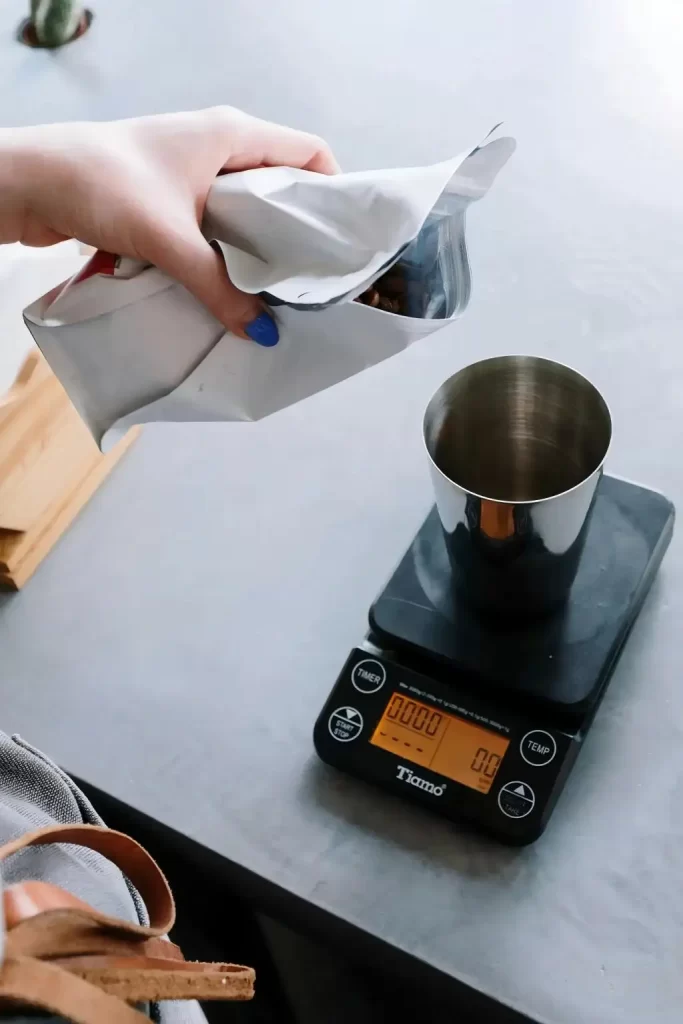
Packaging as a Long-Term Brand Asset
Small coffee pouch packaging must strike a balance between sophistication and simplicity. Through the following, packaging creates an effective small coffee pouch:
•Varied material and print consistency
•Cohesive functional messaging
•Visual hierarchy
•Consistent packaging experience after opening
In the coffee industry, packaging often becomes the primary (and sometimes only) physical touchpoint between consumer and brand. Consistent packaging creates trust and customer loyalty.
A coffee pouch is designed to be a brand representative across every customer touchpoint, and to be an effective packaging solution.
FAQs – Small Coffee Pouch Packaging
Q1. What are the elements of a coffee pouch packaging?
Coffee pouch packaging can be made of a variety of materials such as PLA-based compostable films, kraft paper laminates, barrier films of PET/AL/PE, and recyclable mono-materials.
Q2. What is the function of one-way degassing valve?
A one-way degassing valve allows for the release of CO₂ from the coffee while preventing the admission of oxygen into the pouch.
Q3. Are coffee pouches capable of being completely recyclable?
Yes, depending on the local recycling infrastructure, some mono-material PE or PP structures can be completely recyclable.
Q4. What are the common printing techniques for coffee packaging?
The choice of printing technique for coffee packaging is predominantly gravure printing, but digital printing can be used as well.
Q5. What is the distinction between a matte finish and a gloss finish?
A matte finish gives a soft look to the coffee packaging and reduces glare, whereas a gloss finish adds contrast and vibrancy to the colors.
Written by
Cyan Pak Coffee
At Cyan Pak Coffee, we provide professional coffee packaging solutions for roasters, cafés, and beverage brands. From design and printing to production and delivery, our team offers a full range of custom packaging services. Our products include coffee bags, boxes, takeaway cups, and other packaging accessories, all customizable in materials, sizes, and print finishes. Focusing on sustainability, innovative design, and low minimum orders, we help brands create unique and efficient packaging experiences.